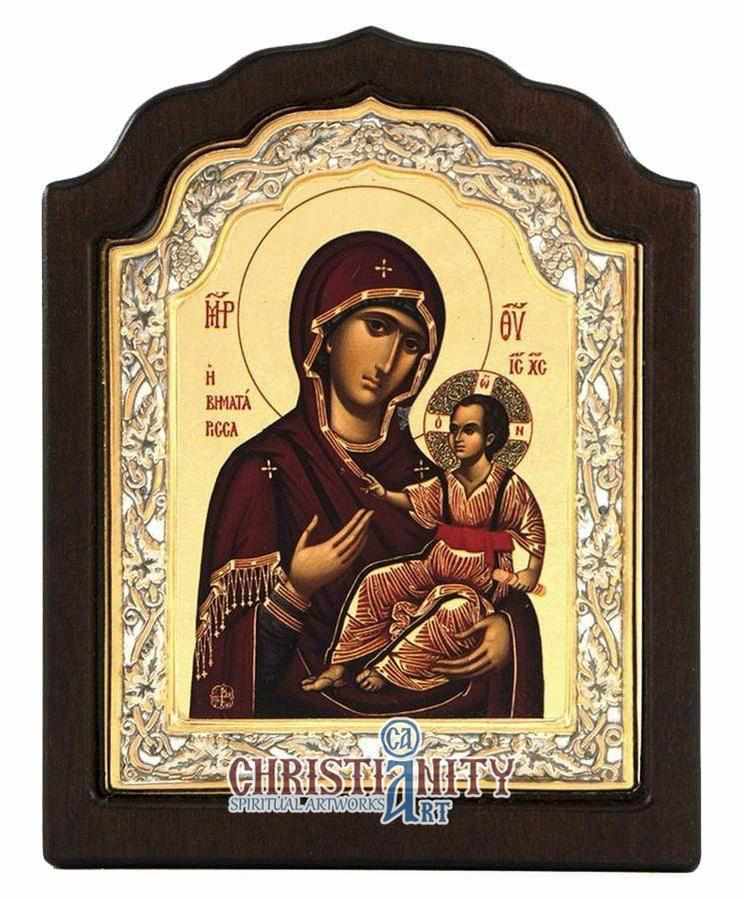
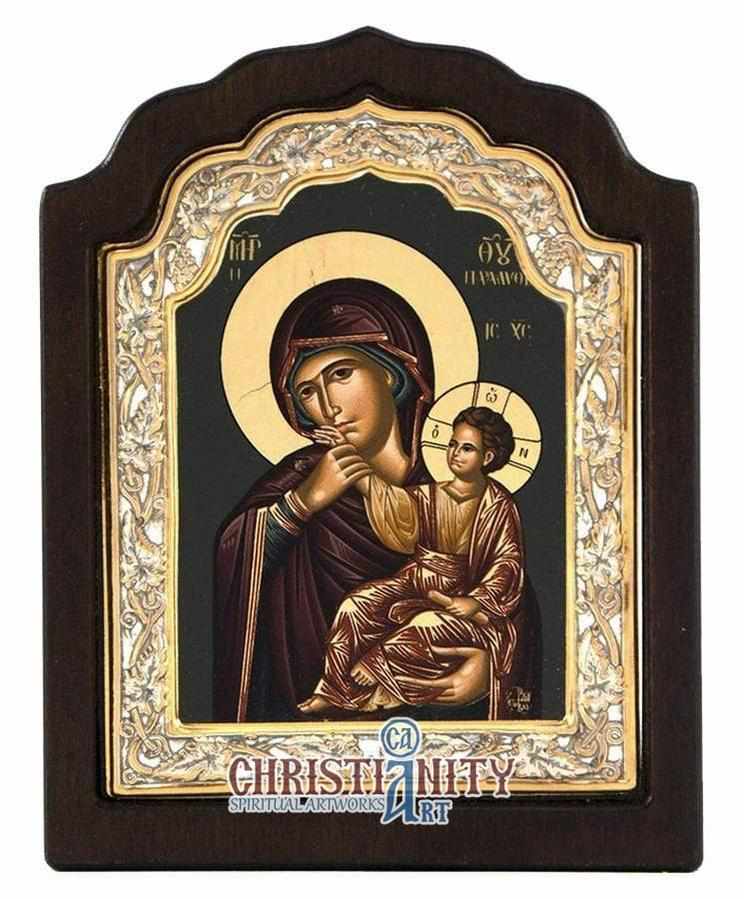
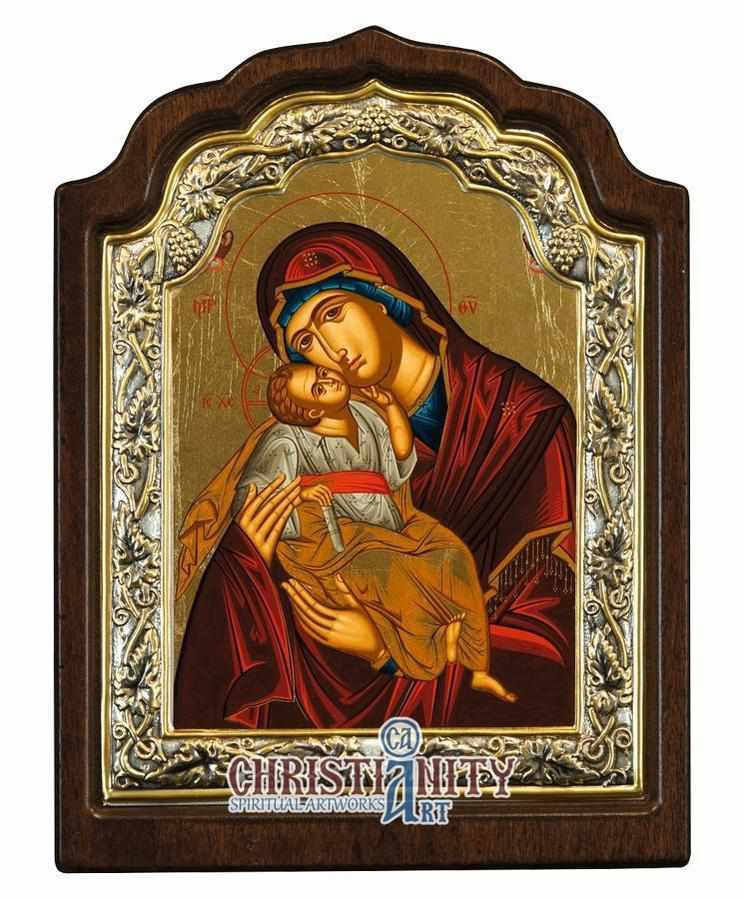
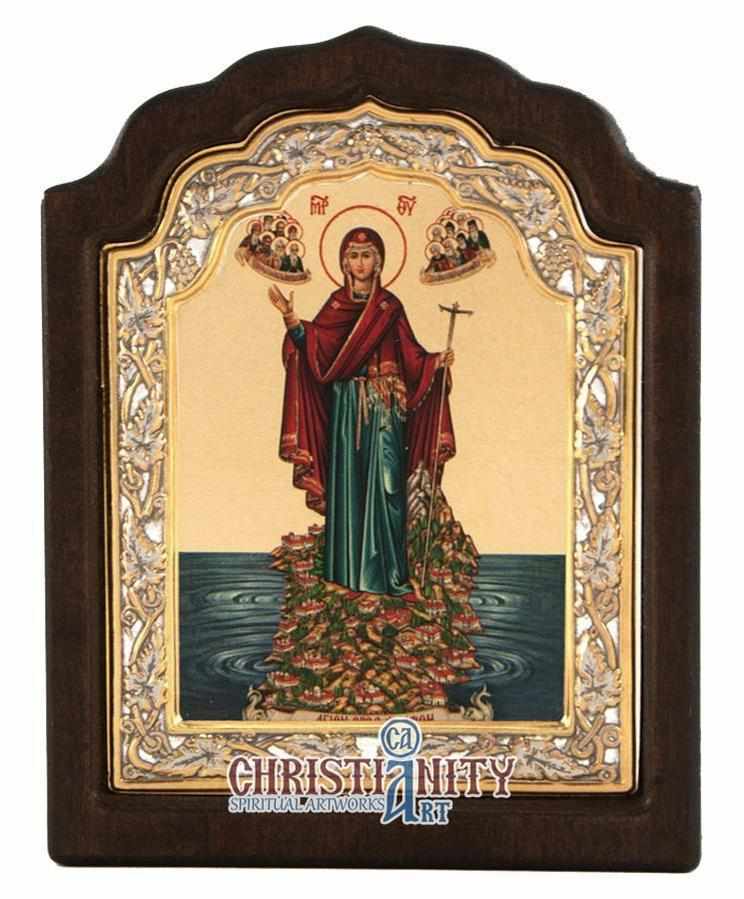
Virgin Mary Slained - Silver icon on wood, locally gold plated - Mount Athos
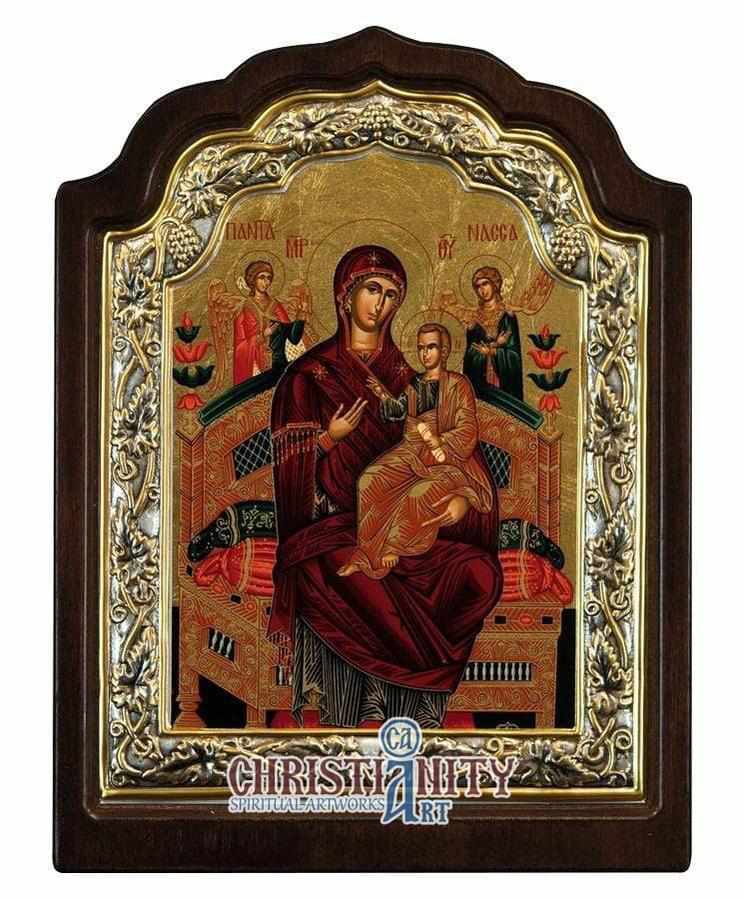
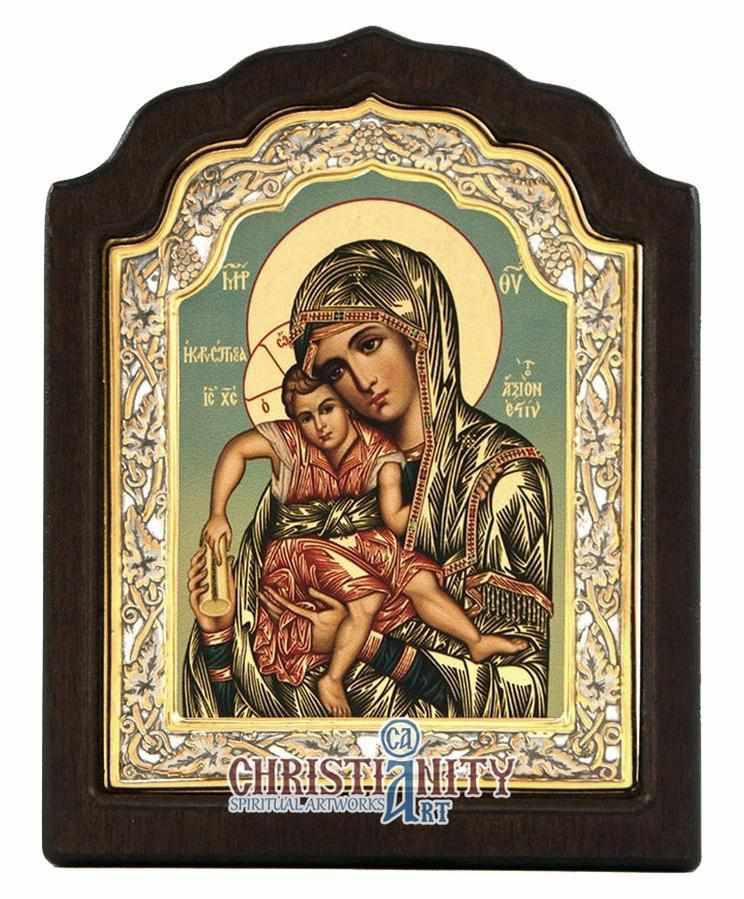
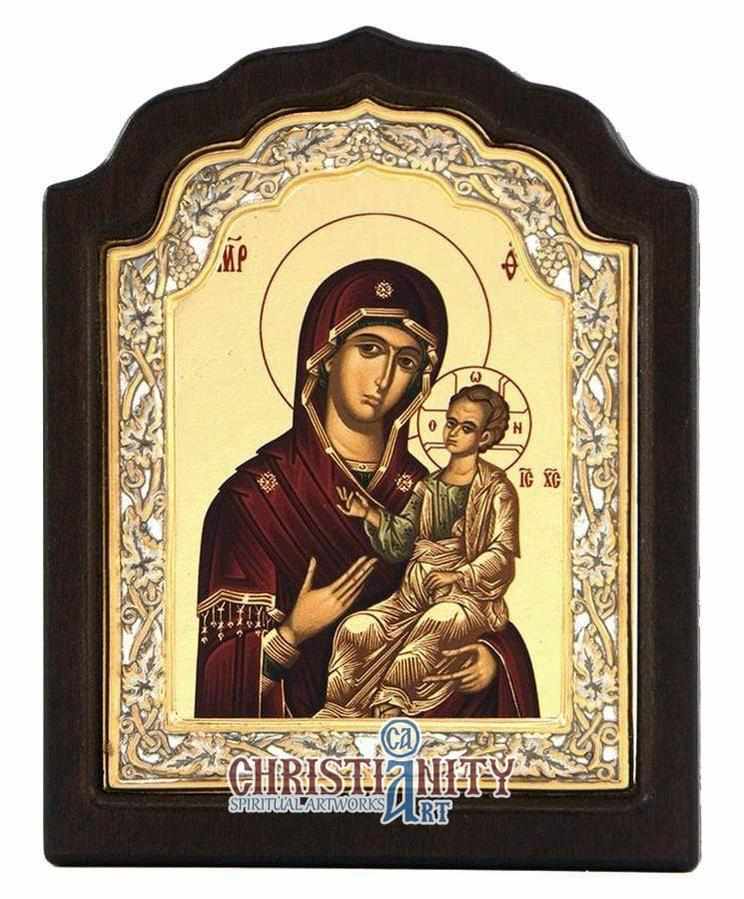
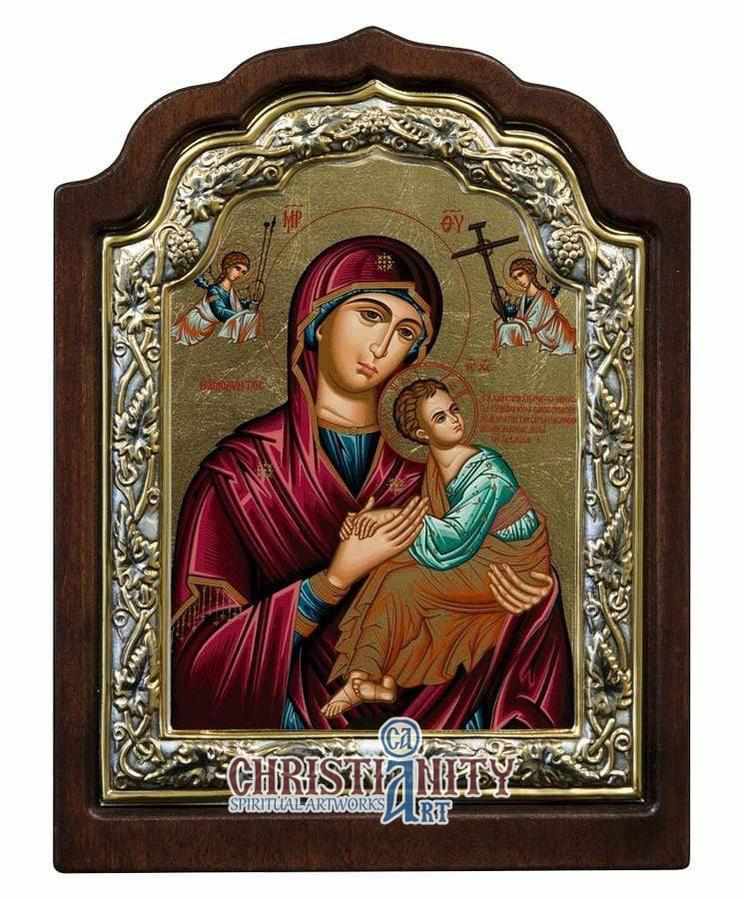
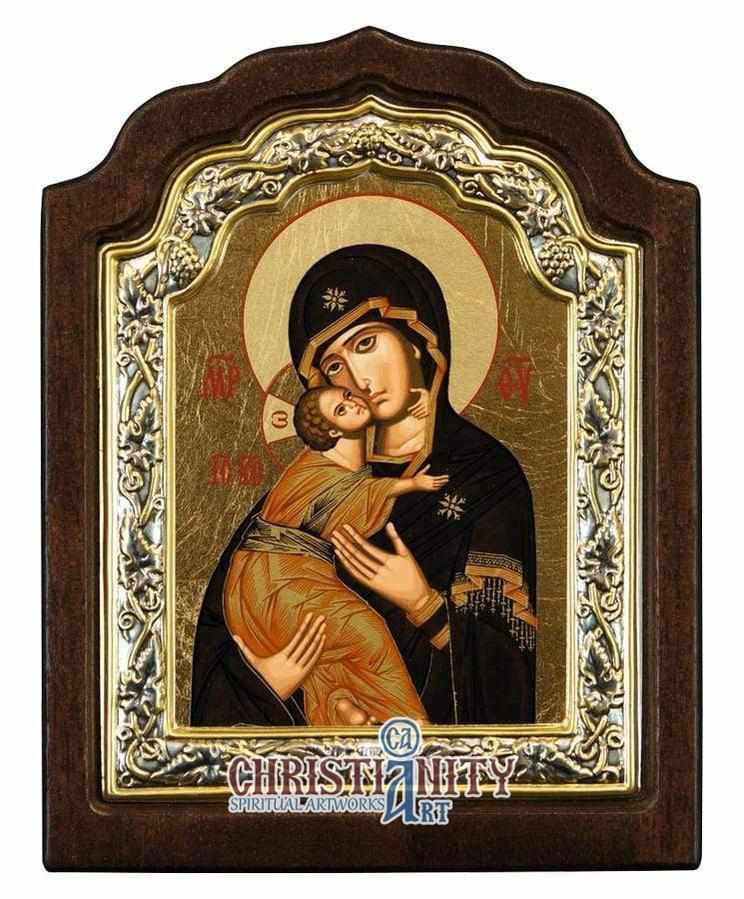
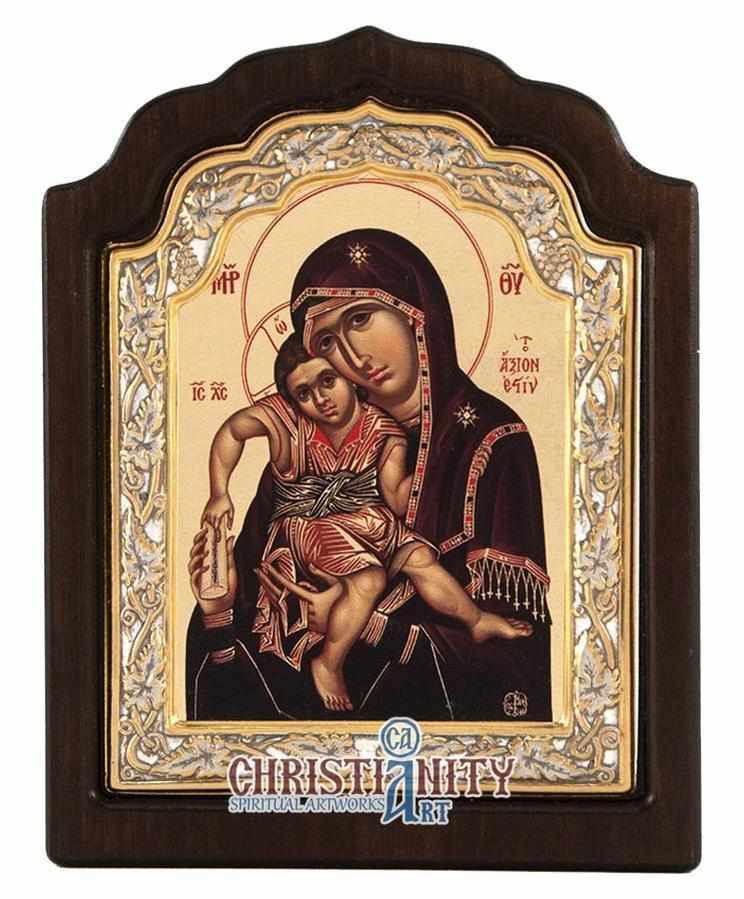
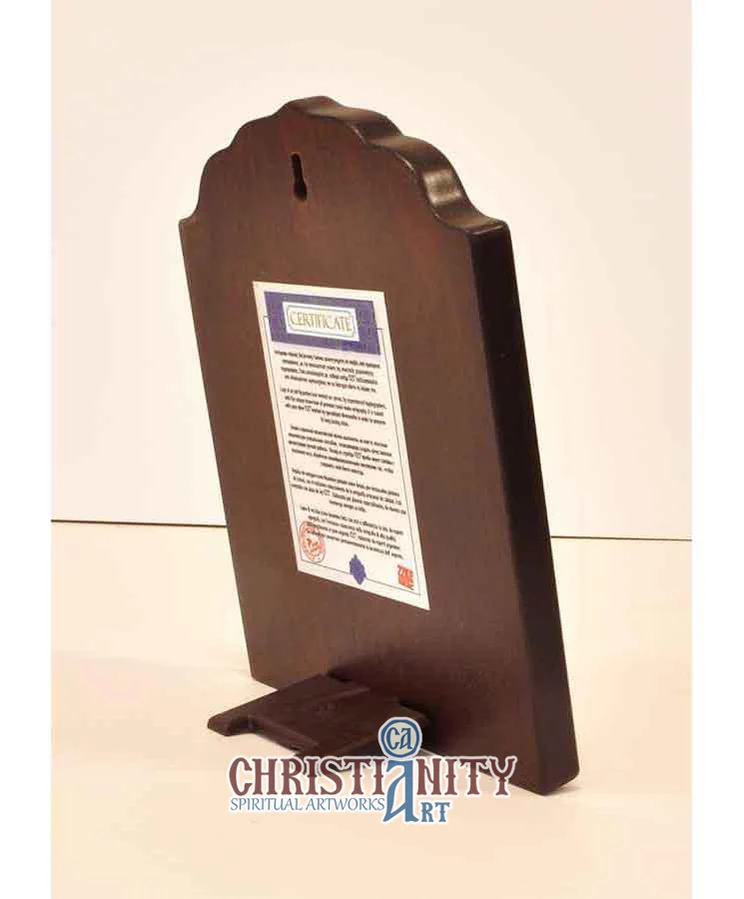
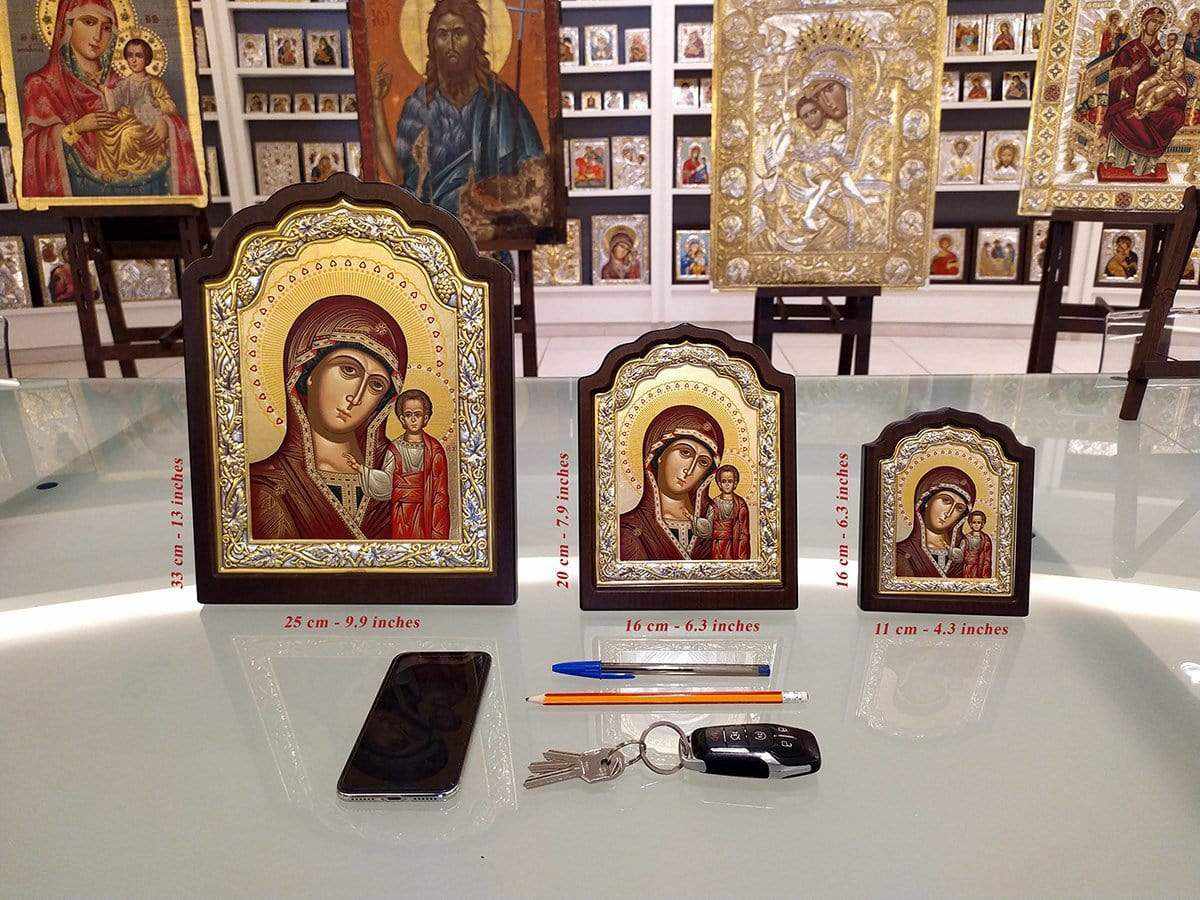
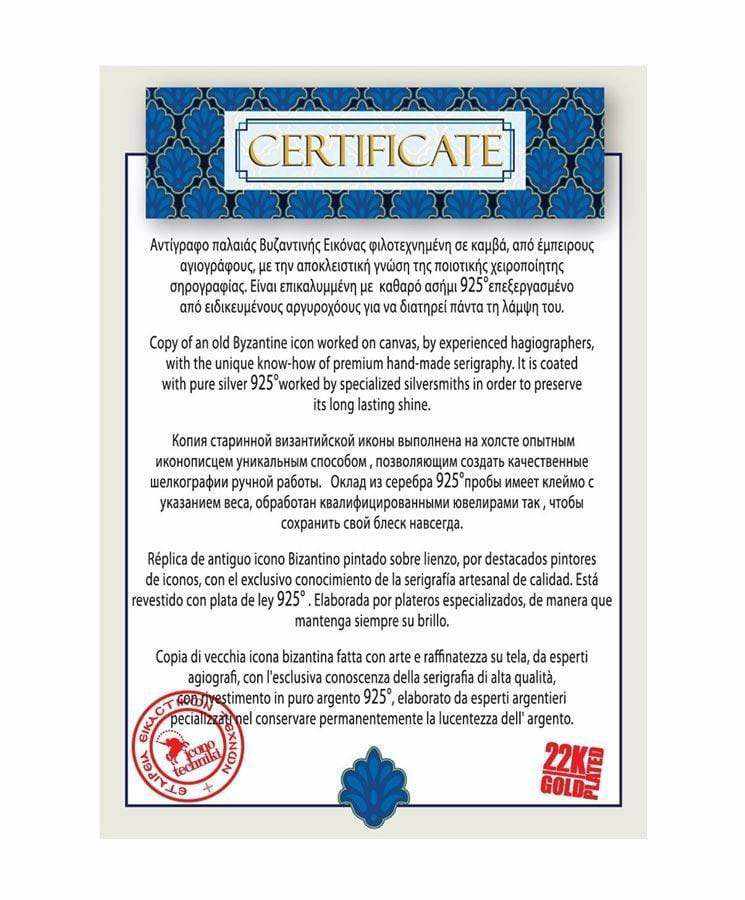
Seriograph icon crafted in canvas on wood, with silver frame, locally gilded, with wooden casing.
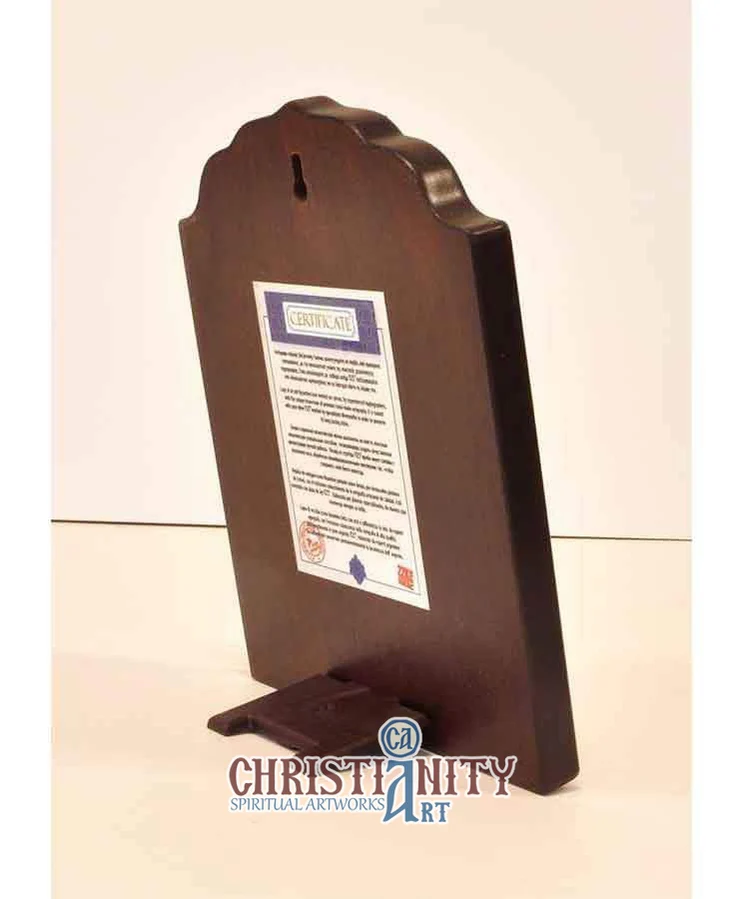
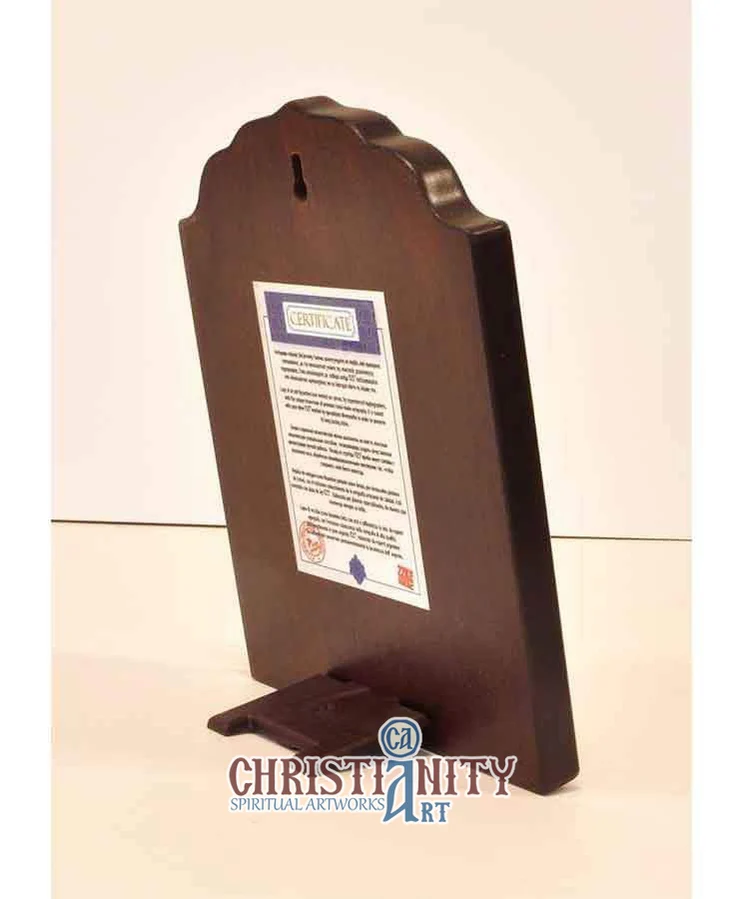
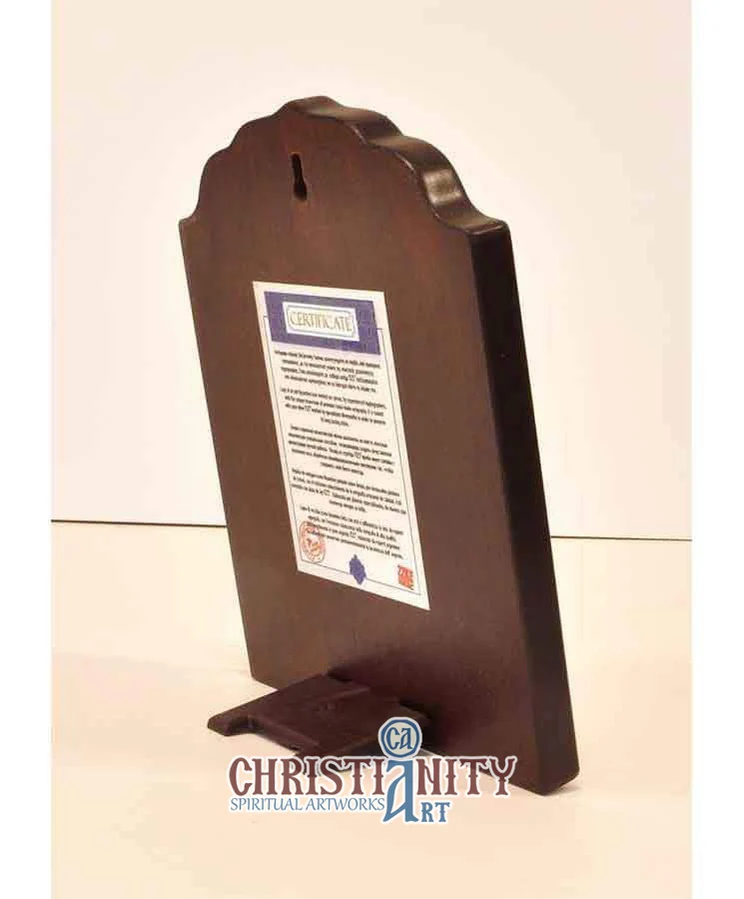
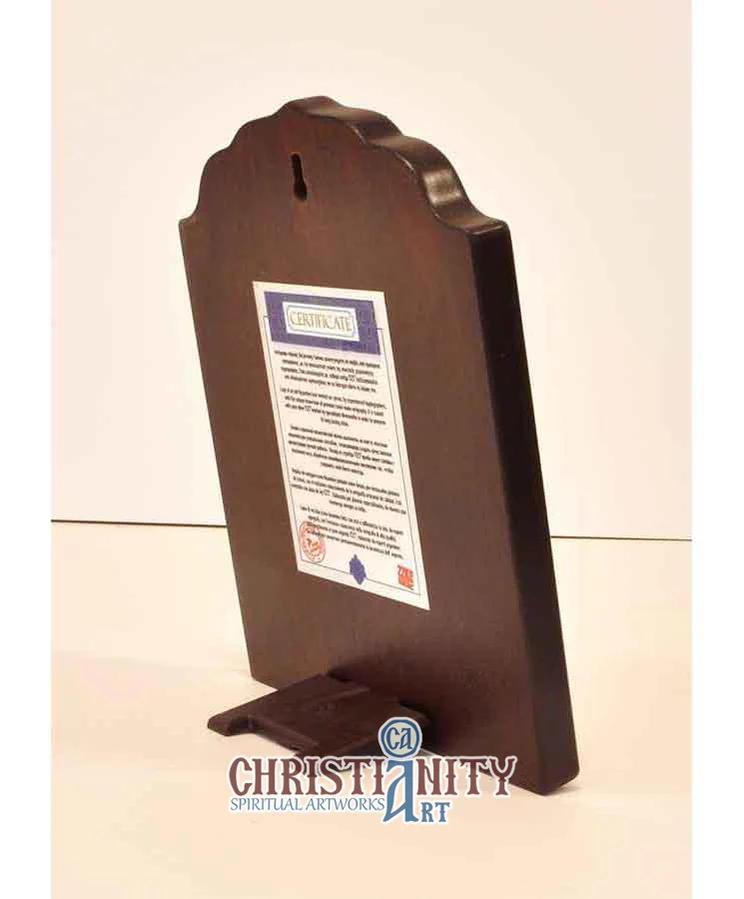
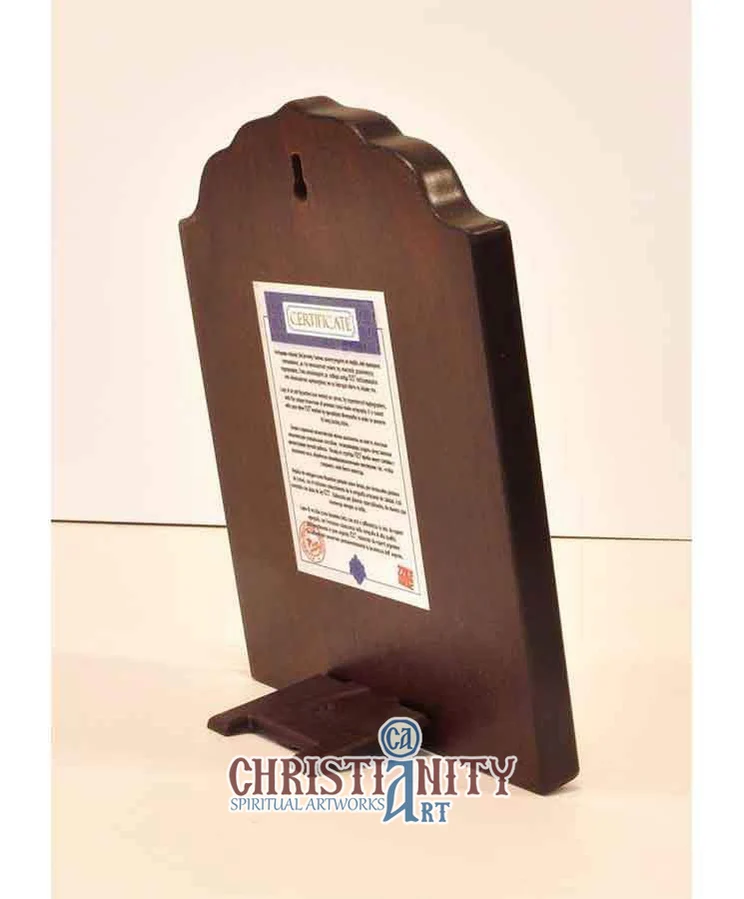
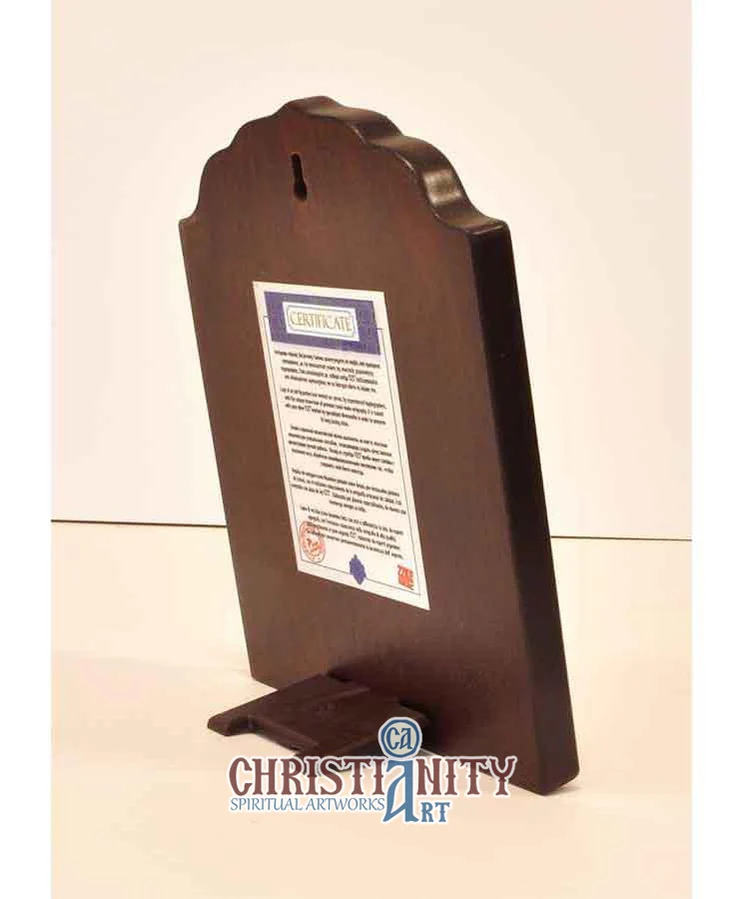
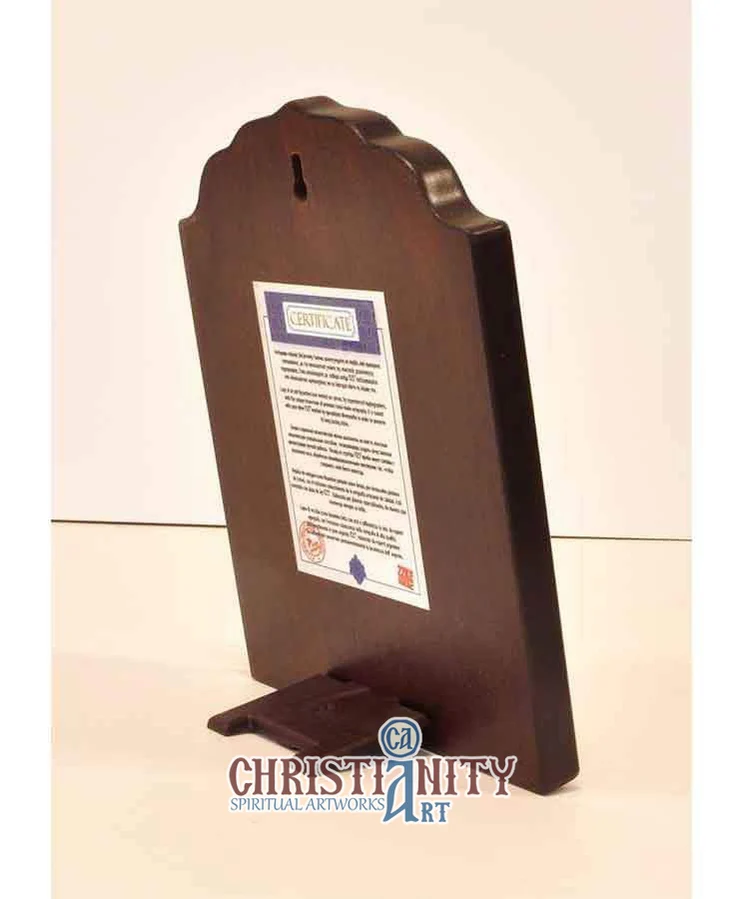
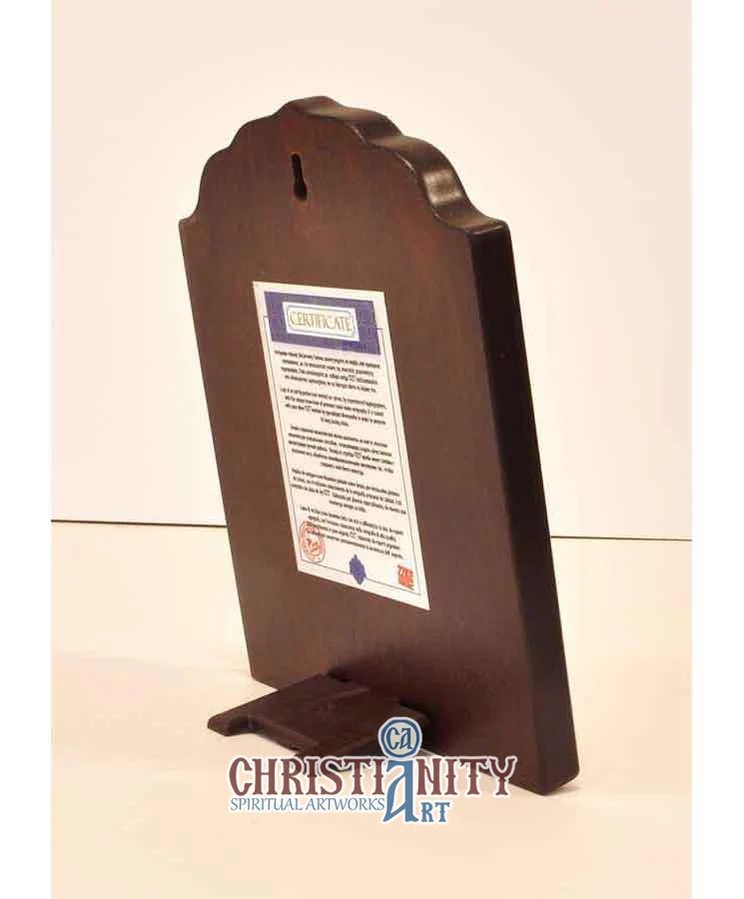
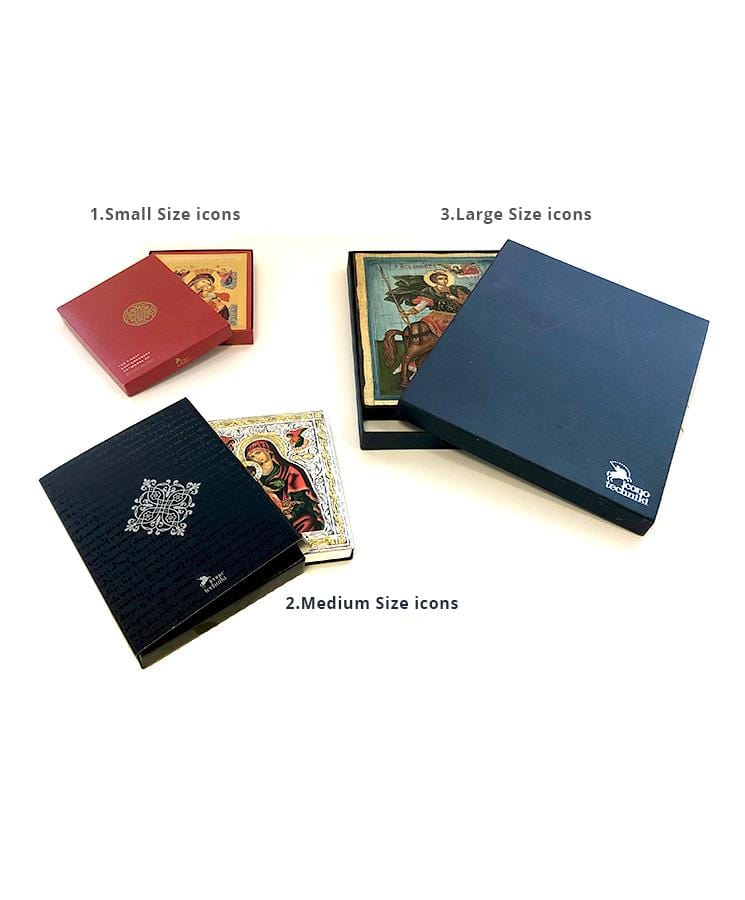
With this icon you will receive a free stand.
Virgin Mary Esfagmeni (Slained)
The icon of the Virgin Mary Esfagmeni (Slained) is part of a 14th century fresco that adorns the narthex of Saint Dimitrios chapel, an integral part of the main nave of the Holy and Great Monastery of Vatopedi. According to a 17th century manuscript, a monk and sexton of the monastery, being exhausted after long working hours, had a dispute with the responsible person for the refectory (trapezaris) because he did not give him food. Blinded by anger and exhaustion, the monk tore the icon of the Virgin Mary with a knife and then blood started coming out of the icon. The Virgin Mary, following the prayers of the abbot and the monks of the Monastery for his forgiveness, appeared to the abbot and announced the monk’s health restoration and forgiveness. However for the rest of his life, the hand that caused the "iniquity" would stay deadened and not decayed after his death, and the monk would be mourning for his sin towards the Virgin Mary for the rest of this life. After his death, his body was decomposed except of his hand that, until today remains whole and is placed in the canopy below the holy icon of the Virgin Mary Esfagmeni (Slained).
Product Information
Product Information
Shipping & Returns
Shipping & Returns
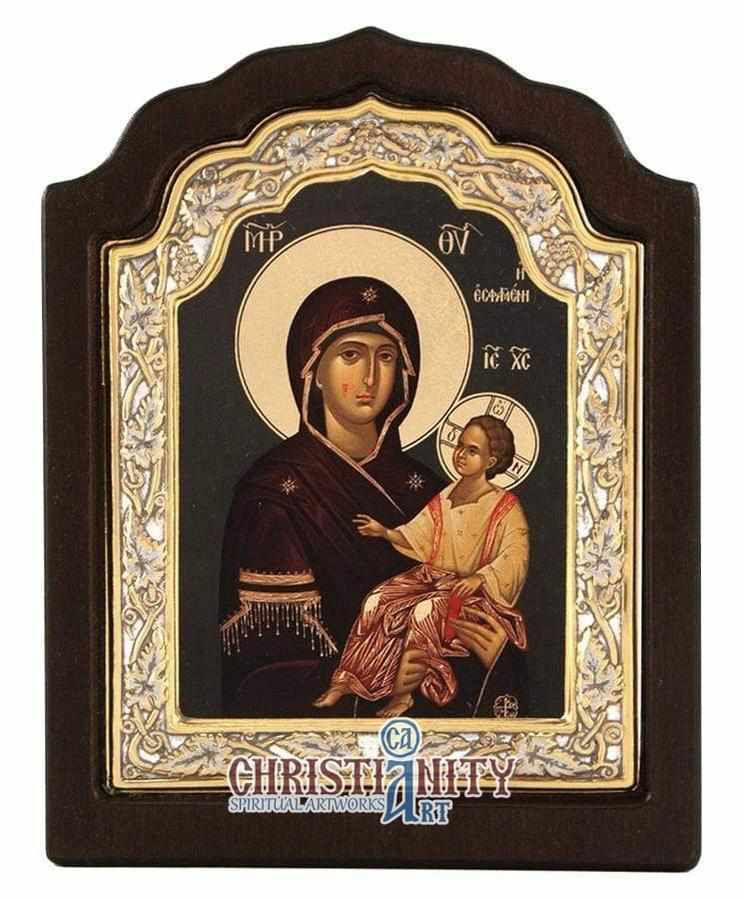
Virgin Mary Slained - Silver icon on wood, locally gold plated - Mount Athos
Virgin Mary Slained - Silver icon on wood, locally gold plated - Mount Athos
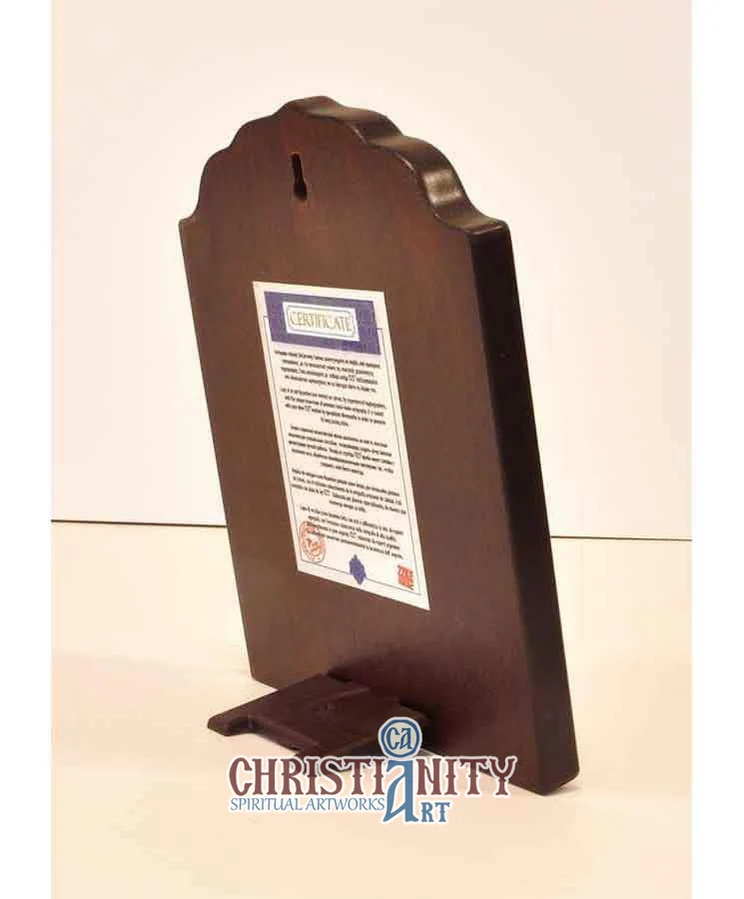
Seriograph icon crafted in canvas on wood, with silver frame, locally gilded, with wooden casing.
With this icon you will receive a free stand.
Virgin Mary Esfagmeni (Slained)
The icon of the Virgin Mary Esfagmeni (Slained) is part of a 14th century fresco that adorns the narthex of Saint Dimitrios chapel, an integral part of the main nave of the Holy and Great Monastery of Vatopedi. According to a 17th century manuscript, a monk and sexton of the monastery, being exhausted after long working hours, had a dispute with the responsible person for the refectory (trapezaris) because he did not give him food. Blinded by anger and exhaustion, the monk tore the icon of the Virgin Mary with a knife and then blood started coming out of the icon. The Virgin Mary, following the prayers of the abbot and the monks of the Monastery for his forgiveness, appeared to the abbot and announced the monk’s health restoration and forgiveness. However for the rest of his life, the hand that caused the "iniquity" would stay deadened and not decayed after his death, and the monk would be mourning for his sin towards the Virgin Mary for the rest of this life. After his death, his body was decomposed except of his hand that, until today remains whole and is placed in the canopy below the holy icon of the Virgin Mary Esfagmeni (Slained).
Product Information
Product Information
Shipping & Returns
Shipping & Returns
Description
Seriograph icon crafted in canvas on wood, with silver frame, locally gilded, with wooden casing.
With this icon you will receive a free stand.
Virgin Mary Esfagmeni (Slained)
The icon of the Virgin Mary Esfagmeni (Slained) is part of a 14th century fresco that adorns the narthex of Saint Dimitrios chapel, an integral part of the main nave of the Holy and Great Monastery of Vatopedi. According to a 17th century manuscript, a monk and sexton of the monastery, being exhausted after long working hours, had a dispute with the responsible person for the refectory (trapezaris) because he did not give him food. Blinded by anger and exhaustion, the monk tore the icon of the Virgin Mary with a knife and then blood started coming out of the icon. The Virgin Mary, following the prayers of the abbot and the monks of the Monastery for his forgiveness, appeared to the abbot and announced the monk’s health restoration and forgiveness. However for the rest of his life, the hand that caused the "iniquity" would stay deadened and not decayed after his death, and the monk would be mourning for his sin towards the Virgin Mary for the rest of this life. After his death, his body was decomposed except of his hand that, until today remains whole and is placed in the canopy below the holy icon of the Virgin Mary Esfagmeni (Slained).